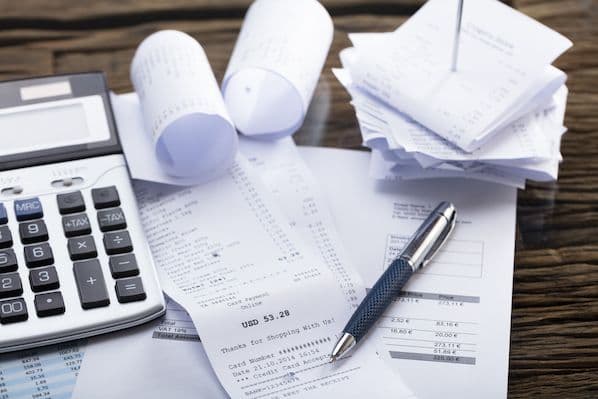
Businesses process thousands of receipts every year. Some are used for employee reimbursements, others support tax deductions, and many serve as proof during audits. Yet one simple document continues to create confusion across organizations: the itemized receipt. Many employees submit card slips, payment confirmations, or bank statements thinking they are sufficient documentation. In reality, most finance teams require an itemized receipt because it shows exactly what was purchased rather than only the total amount paid.Whether you're an employee submitting expenses, an accountant reviewing transactions, or a business owner building stronger financial controls, understanding itemized receipts is essential.
This guide covers everything you need to know about itemized receipts, including examples, requirements, compliance considerations, reimbursement rules, and best practices for managing them efficiently.
Table of Contents
- What Is an Itemized Receipt?
- Why Itemized Receipts Matter
- What Information Should an Itemized Receipt Include?
- Itemized Receipt vs Regular Receipt
- What Does an Itemized Receipt Look Like?
- When Are Itemized Receipts Required?
- Itemized Receipts for Employee Reimbursements
- Itemized Receipts and Tax Compliance
- Industry-Specific Examples
- Common Problems with Itemized Receipts
- Digital vs Paper Itemized Receipts
- How to Request an Itemized Receipt
- How Businesses Should Store Itemized Receipts
- Automating Receipt Management
- Best Practices for Finance Teams
- Frequently Asked Questions
- Final Thoughts
What Is an Itemized Receipt?
An itemized receipt is a detailed proof of purchase that lists every product or service included in a transaction. Instead of displaying only the total amount charged, it provides a line-by-line breakdown showing exactly what was purchased, quantities, prices, taxes, discounts, and fees. This level of detail makes itemized receipts essential for expense tracking, reimbursements, audits, and financial reporting.
For example, if an employee takes a client to lunch and spends $75, a card payment slip may only show the total amount charged. An itemized receipt, however, will display each menu item, beverage, tax amount, and gratuity separately.
This additional detail helps businesses verify that expenses comply with company policies.
Why Itemized Receipts Matter
Itemized receipts serve several important business functions.
Expense Verification
Finance teams need to confirm that expenses are legitimate business purchases. Itemized receipts provide transparency by showing exactly what was bought.
Reimbursement Accuracy
Organizations often reimburse employees for travel, meals, lodging, and supplies. Itemized receipts help reviewers determine whether submitted expenses qualify for reimbursement.
Tax Documentation
Tax authorities typically require businesses to maintain adequate documentation supporting expense claims. Detailed receipts strengthen audit readiness and help validate deductions.
Fraud Prevention
Detailed purchase information reduces the risk of duplicate submissions, altered receipts, or unauthorized spending. Finance teams can identify questionable expenses much faster when itemized information is available.
Budget Tracking
Organizations gain better visibility into spending patterns when they can see individual purchases rather than aggregated totals. This improves forecasting and budgeting decisions.
What Information Should an Itemized Receipt Include?
A complete itemized receipt typically contains the following details:
| Information | Purpose |
|---|---|
| Merchant Name | Identifies the vendor |
| Merchant Address | Location verification |
| Purchase Date | Records transaction timing |
| Receipt Number | Audit tracking |
| Item Descriptions | Shows what was purchased |
| Quantity | Number of items purchased |
| Unit Price | Cost per item |
| Taxes | Sales tax details |
| Discounts | Promotional reductions |
| Additional Fees | Service fees or surcharges |
| Payment Method | Cash, card, or other method |
| Total Amount | Final amount paid |
A valid itemized receipt should clearly show each purchased item and its associated cost rather than only displaying a transaction total.
Itemized Receipt vs Regular Receipt
Many people assume all receipts are itemized, but that's not always true.
Regular Receipt
A standard receipt usually contains:
- Merchant name
- Date
- Total transaction amount
- Payment method
Example:
ABC Restaurant
June 20, 2026

Total: $86.50
Visa Ending 4421
Itemized Receipt
An itemized version includes:
ABC Restaurant
June 20, 2026

Chicken Pasta       $22.00
Caesar Salad        $14.00
Soft Drinks         $10.00
Dessert             $18.00

Subtotal            $64.00
Tax                  $5.50
Tip                 $17.00

Total               $86.50
The second receipt provides significantly more information and allows finance teams to validate purchases accurately.
What Does an Itemized Receipt Look Like?
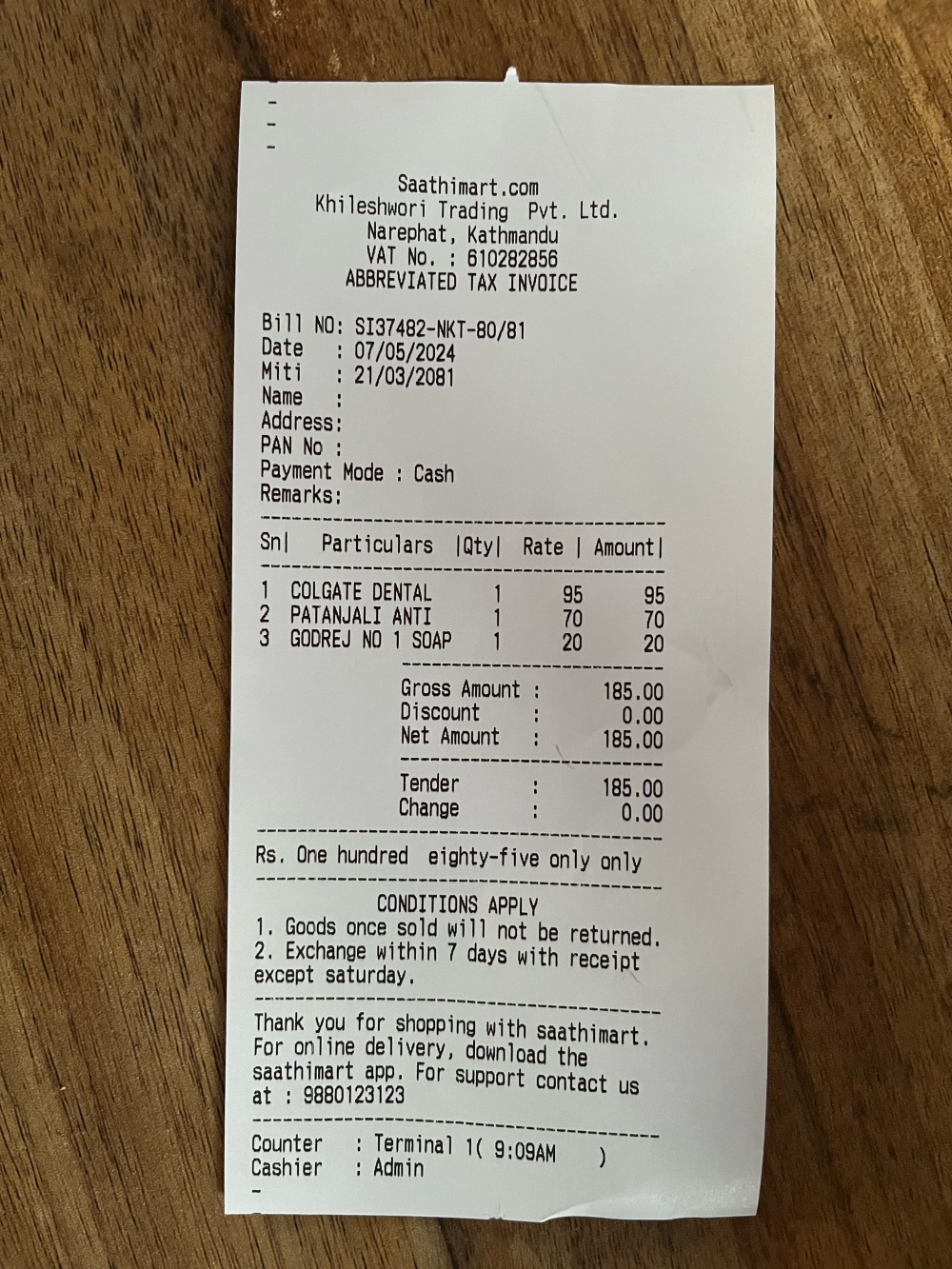
While layouts vary between vendors, most itemized receipts follow a similar structure:
- Business information at the top
- Transaction date and time
- Itemized purchase list
- Taxes and fees
- Total amount
- Payment details
Hotels, restaurants, fuel stations, airlines, and office supply stores all provide itemized receipts, though the format differs based on industry requirements.
When Are Itemized Receipts Required?
Businesses commonly require itemized receipts in the following situations:
Employee Reimbursements
Most organizations require itemized receipts before reimbursing employees for:
- Meals
- Travel
- Accommodation
- Transportation
- Office supplies
- Client entertainment
The detailed breakdown helps ensure expenses comply with company policy.
Tax Reporting
Businesses use itemized receipts to support deductible expenses and maintain accurate financial records. Detailed documentation helps substantiate claims if questions arise during audits.
Internal Audits
Internal finance teams often review receipts to verify:
- Business purpose
- Expense category
- Policy compliance
- Approval requirements
External Audits
Auditors frequently request supporting documentation to verify reported expenses. Itemized receipts provide stronger evidence than bank statements alone.
Itemized Receipts for Employee Reimbursements
Employee expense reimbursements are one of the most common reasons organizations request itemized receipts.
For example:
Business Meals
A payment receipt showing a $120 restaurant charge does not reveal whether alcohol, personal purchases, or non-reimbursable items were included.
An itemized receipt allows reviewers to determine exactly what was purchased.
Hotel Expenses
Hotels frequently include:
- Room charges
- Parking fees
- Wi-Fi
- Room service
- Laundry
- Mini-bar purchases
Companies may reimburse some charges but not others. An itemized hotel receipt provides the necessary breakdown.
Transportation
Ride-sharing receipts often contain:
- Pickup location
- Drop-off location
- Base fare
- Taxes
- Service fees
This information supports reimbursement requests and expense categorization.
Itemized Receipts and Tax Compliance
Maintaining proper documentation is critical for tax compliance.
Itemized receipts help businesses:
- Support expense deductions
- Verify business-related purchases
- Maintain accurate records
- Prepare for audits
Many tax authorities require documentation that clearly identifies what was purchased, when it was purchased, and how much was paid. Itemized receipts provide this level of detail.
Businesses that rely solely on credit card statements may face challenges because statements typically show only merchant names and transaction totals without describing purchased goods or services.
Industry-Specific Examples
Business Travel
Travel receipts commonly include:
- Airfare
- Hotel accommodation
- Transportation
- Meals
- Internet charges
Organizations often require itemized receipts for all major travel expenses.
Construction
Construction companies use itemized receipts to:
- Allocate costs to projects
- Track material purchases
- Verify supplier charges
Transportation and Fuel
Fuel receipts may contain:
- Fuel quantity
- Price per gallon or liter
- Fuel type
- Taxes
These details assist with mileage tracking and expense reporting.
Professional Services
Consultants and agencies often retain itemized receipts for:
- Software subscriptions
- Vendor purchases
- Client expenses
- Equipment costs
Common Problems with Itemized Receipts
Managing receipts manually creates several challenges.
Lost Receipts
Employees frequently lose paper receipts before submitting expense reports. This delays approvals and reimbursements.
Faded Thermal Paper
Many paper receipts become unreadable over time.
Blurry Images
Poor-quality receipt photos can prevent accurate data extraction.
Missing Itemization
Some employees submit only payment slips or card receipts instead of full itemized receipts.
Late Submission
Receipts submitted weeks or months after purchase increase the likelihood of errors and missing information.
Digital vs Paper Itemized Receipts
Paper Receipts
Advantages:
- Immediately available
- Widely accepted
- Easy to obtain
Disadvantages:
- Easily lost
- Fade over time
- Difficult to organize
Digital Receipts
Advantages:
- Searchable
- Easy to store
- Faster retrieval
- Better audit preparation
Many finance teams now encourage digital receipt storage because electronic records are easier to manage and maintain over long periods.
How to Request an Itemized Receipt
Obtaining an itemized receipt is usually simple.
At Checkout
Request an itemized receipt before completing payment.
Through Mobile Apps
Many vendors allow customers to access detailed receipts through mobile applications or online portals.
Contact Customer Support
If the original receipt is unavailable, businesses can often provide a duplicate copy using transaction details.
Request by Email
Many vendors can email itemized receipts directly to customers.
How Businesses Should Store Itemized Receipts
An effective receipt management process includes:
Centralized Storage
Store all receipts in a single system.
Digital Archiving
Convert paper receipts into searchable digital records.
Consistent Naming
Use standardized file naming conventions.
Category Organization
Group receipts by:
- Vendor
- Expense type
- Department
- Project
Regular Reviews
Conduct periodic audits to ensure receipt completeness and compliance.
Automating Receipt Management
Manual receipt processing consumes significant administrative time.
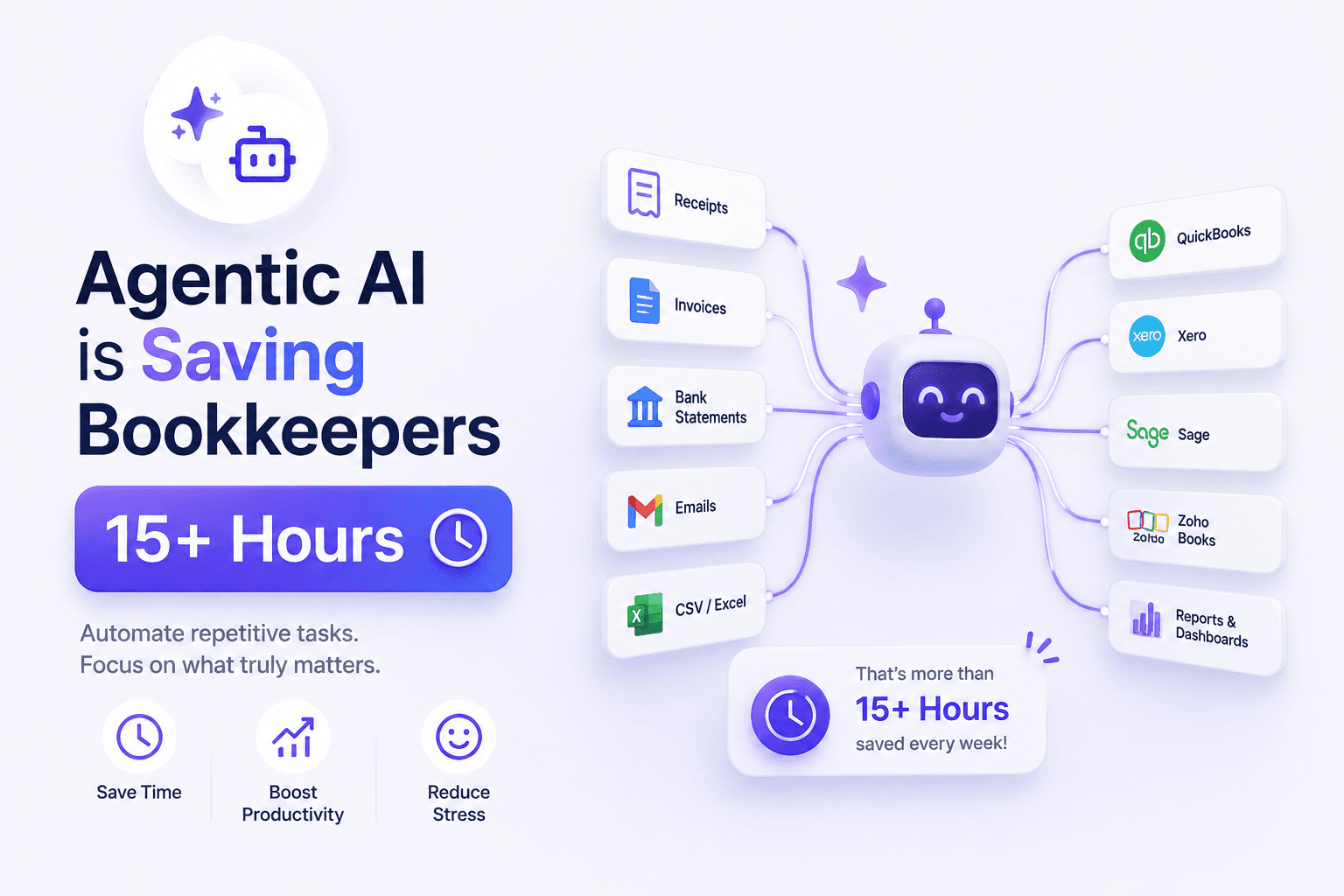
Modern businesses increasingly use receipt scanning and document automation platforms to streamline the process.
Benefits include:
- Automatic data extraction
- Faster approvals
- Reduced manual entry
- Better compliance
- Improved audit readiness
Manage Itemized Receipts with BillsDeck
If your organization processes large volumes of receipts, invoices, and financial documents, BillsDeck can help automate the entire workflow.
With BillsDeck, businesses can:
- Scan paper and digital receipts
- Extract receipt data automatically
- Capture merchant and expense information
- Organize documents into structured workflows
- Export data to accounting systems
- Reduce manual bookkeeping effort
For organizations evaluating modern receipt management solutions, BillsDeck's receipt scanning software helps eliminate repetitive data entry while improving accuracy and document visibility.
Best Practices for Finance Teams
Define Clear Policies
Specify:
- When receipts are required
- Acceptable receipt formats
- Submission deadlines
Encourage Immediate Capture
Employees should photograph receipts as soon as they receive them.
Standardize Approval Workflows
Create consistent approval processes across departments.
Digitize Everything
Electronic records reduce storage costs and improve accessibility.
Automate Validation
Use OCR and document processing tools to verify receipt completeness before approval.
Conduct Periodic Audits
Regular reviews help identify policy violations and process improvements.
Frequently Asked Questions
What is considered an itemized receipt?
An itemized receipt is a receipt that lists each purchased item or service separately along with pricing, taxes, and transaction details.
Why do companies require itemized receipts?
They help verify expenses, support reimbursements, improve compliance, and reduce fraud risk.
Is a credit card statement an itemized receipt?
No. A credit card statement typically shows only the merchant, date, and amount charged. It does not describe what was purchased.
Do digital receipts count?
Yes. Digital receipts are generally accepted as long as they clearly display required transaction information.
What happens if I lose an itemized receipt?
You should contact the vendor and request a duplicate copy. Alternative documentation may be accepted depending on company policy.
Are hotel receipts always itemized?
Most hotel receipts provide itemized details including room charges, taxes, fees, and additional services.
How long should businesses keep itemized receipts?
Retention periods vary by jurisdiction and company policy, but businesses commonly retain financial records for several years to support audits and compliance requirements.
Can receipt scanning software read itemized receipts?
Yes. Modern OCR-based receipt scanning platforms can extract merchant names, dates, line items, taxes, totals, and other key information automatically.
Final Thoughts
Itemized receipts are much more than proof of payment. They provide the detailed transaction information businesses need for expense management, reimbursement approvals, financial reporting, compliance, and audit preparation.
Organizations that rely solely on paper receipts and manual processes often face challenges such as lost documentation, delayed approvals, and inaccurate records. By adopting digital receipt management practices and leveraging receipt scanning solutions, businesses can improve efficiency while maintaining stronger financial controls.
Whether you're managing employee expenses, preparing for an audit, or building a more efficient accounting workflow, implementing a structured process for collecting and storing itemized receipts will save time, reduce risk, and improve financial visibility across your organization.