Managing business expenses is one of the most important responsibilities for business owners, finance teams, accountants, and startups. Whether you run a small business, a growing startup, or an established company, understanding how to categorize expenses properly can improve financial visibility, simplify tax preparation, and help you make better business decisions.
Many businesses struggle because expenses are recorded inconsistently. One employee categorizes software as office expenses, another records it under subscriptions, and someone else classifies it as technology. Over time, these inconsistencies make financial reports unreliable and budgeting difficult.
Proper expense categorization creates a structured financial system that helps businesses:
- Track spending accurately
- Identify cost-saving opportunities
- Improve budgeting
- Simplify bookkeeping
- Prepare for tax season
- Generate meaningful financial reports
- Support business growth decisions
This guide explains everything you need to know about business expense categories, budgeting, expense tracking, and best practices for maintaining accurate financial records.
Table of Contents
- What Are Business Expense Categories?
- Why Expense Categories Matter
- Business Expenses vs Personal Expenses
- Operating Expenses vs Non-Operating Expenses
- Major Expense Categories Every Business Should Track
- 50 Common Business Expense Categories
- Tax-Deductible Business Expenses
- How Expense Categories Improve Budgeting
- Creating a Business Budget
- Fixed vs Variable Expenses
- Expense Tracking Best Practices
- Common Categorization Mistakes
- How Technology Simplifies Expense Management
- Expense Management Workflow for Modern Businesses
- Frequently Asked Questions
What Are Business Expense Categories?
Business expense categories are classifications used to organize costs incurred while operating a business.
Rather than recording every transaction individually without structure, businesses group similar expenses together. This makes financial reporting, budgeting, tax preparation, and analysis much easier.
For example:
| Transaction | Category |
|---|---|
| Facebook Ads | Advertising & Marketing |
| Office Rent | Rent |
| Zoom Subscription | Software Subscriptions |
| Employee Salary | Payroll |
| Internet Bill | Utilities or Communications |
Categorization turns thousands of transactions into meaningful financial insights.
Without categories, business owners see only a long list of transactions. With categories, they understand exactly where money is being spent.
Why Expense Categories Matter
Expense categories are more than an accounting requirement.
They directly impact decision-making across the business.
Better Financial Visibility
Knowing that you spent $20,000 last month isn't useful.
Knowing that:
- $8,000 went to payroll
- $4,000 went to marketing
- $3,000 went to software
- $2,500 went to travel
- $2,500 went to office expenses
provides actionable information.
Easier Budgeting
Categories help businesses compare actual spending against planned spending.
This allows managers to identify overspending before it becomes a problem.
Faster Tax Preparation
Many business expenses may qualify for tax deductions when properly documented and categorized. Organized records reduce stress during tax season.
Improved Cash Flow Management
Expense tracking helps companies understand:
- Where money goes
- Which costs are increasing
- Which expenses can be reduced
- When cash shortages may occur
Business Expenses vs Personal Expenses
One of the most common bookkeeping mistakes is mixing business and personal expenses.
Business expenses are costs incurred for operating and growing the company.
Examples include:
- Employee salaries
- Software subscriptions
- Marketing campaigns
- Office rent
- Professional services
Personal expenses include:
- Personal groceries
- Family vacations
- Home utility bills
- Personal entertainment
Maintaining separate accounts for business and personal spending improves accounting accuracy and prevents reporting issues.
Operating Expenses vs Non-Operating Expenses
Business expenses generally fall into two primary categories.
Operating Expenses (OPEX)
Operating expenses support daily business activities. These are the costs required to keep the business running.
Examples include:
- Payroll
- Rent
- Utilities
- Marketing
- Office supplies
- Software subscriptions
Non-Operating Expenses
These are costs not directly tied to daily operations.
Examples include:
- Interest expenses
- Asset write-offs
- Losses from investments
- Certain legal settlements
Understanding this distinction improves financial reporting and profitability analysis.
Major Expense Categories Every Business Should Track
Most businesses can organize expenses into several core groups.
Payroll Expenses
Payroll is often the largest expense category.
Includes:
- Salaries
- Wages
- Bonuses
- Payroll taxes
- Contractor payments
Marketing and Advertising
Costs associated with acquiring customers.
Examples:
- Google Ads
- Social media advertising
- SEO services
- Content marketing
- Sponsorships
Technology Expenses
Technology has become a significant operating expense.
Examples:
- Cloud software
- CRM platforms
- Productivity tools
- Cybersecurity solutions
- Hosting services
Office Expenses
Expenses required for workplace operations.
Examples:
- Office supplies
- Furniture
- Equipment
- Cleaning services
Professional Services
External expertise purchased by the business.
Examples:
- Accountants
- Lawyers
- Consultants
- Auditors
50 Common Business Expense Categories
The following categories cover most small businesses and startups.
Administration
- Bank Fees
- Credit Card Processing Fees
- Professional Memberships
- Licensing Fees
- Permit Fees
Marketing
- Advertising
- Marketing Campaigns
- Sponsorships
- Public Relations
- Promotional Materials
Technology
- Software Subscriptions
- Website Hosting
- Domain Registration
- Internet Services
- Cloud Storage
Office Operations
- Office Supplies
- Printing
- Furniture
- Equipment Rental
- Office Decor
Employee Costs
- Salaries
- Wages
- Bonuses
- Employee Benefits
- Training Programs
Travel
- Airfare
- Hotels
- Car Rentals
- Business Meals
- Transportation
Facilities
- Rent
- Utilities
- Repairs
- Maintenance
- Cleaning Services
Legal and Professional
- Legal Fees
- Accounting Services
- Consulting Services
- Audit Services
- Compliance Costs
Operations
- Shipping
- Packaging
- Inventory Purchases
- Freight Costs
- Vehicle Expenses
Miscellaneous
- Insurance
- Taxes
- Research and Development
- Charitable Contributions
- Warranties and Service Contracts
Tax-Deductible Business Expenses
Many business expenses may qualify as tax deductions when they are ordinary and necessary for operating the business.
Common deductible categories include:
- Rent
- Utilities
- Office supplies
- Employee compensation
- Professional services
- Software subscriptions
- Marketing expenses
- Business insurance
- Travel expenses
Businesses should consult qualified tax professionals regarding eligibility and documentation requirements.
How Expense Categories Improve Budgeting
Budgeting becomes significantly more effective when expenses are categorized correctly.
Financial experts typically divide expenses into fixed and variable categories when creating budgets.
Fixed Expenses
Fixed expenses remain relatively consistent.
Examples:
- Rent
- Loan payments
- Insurance
- Software contracts
Variable Expenses
Variable expenses fluctuate.
Examples:
- Advertising
- Travel
- Utilities
- Office supplies
Separating fixed and variable expenses helps businesses forecast spending more accurately.
Creating a Business Budget
A business budget should account for every source of income and every category of spending.
Step 1: Calculate Revenue
Include:
- Product sales
- Service revenue
- Subscription income
- Other business income
Step 2: List Fixed Costs
Examples:
- Rent
- Payroll
- Insurance
- Software subscriptions
Step 3: Estimate Variable Costs
Examples:
- Marketing
- Travel
- Inventory
- Utilities
Step 4: Include Savings and Growth Investments
Allocate funds for:
- Emergency reserves
- Expansion initiatives
- Equipment purchases
- New hires
Step 5: Monitor Monthly Performance
Compare:
- Budgeted expenses
- Actual expenses
Then adjust accordingly.
Expense Categories Every Budget Should Include
A complete budget generally includes categories such as:
| Category | Examples |
|---|---|
| Facilities | Rent, utilities |
| Transportation | Fuel, vehicle maintenance |
| Technology | Software, internet |
| Employee Costs | Salaries, benefits |
| Professional Services | Legal, accounting |
| Debt Payments | Loans, credit lines |
| Savings | Emergency funds |
| Marketing | Ads, promotions |
These categories provide a strong foundation for most businesses.
Common Expense Tracking Challenges
Many organizations encounter similar issues.
Missing Receipts
Employees often lose receipts before submitting expenses.
Inconsistent Categorization
Different employees may categorize the same expense differently.
Manual Data Entry
Manual entry introduces errors and consumes time.
Duplicate Records
Expenses may be entered multiple times.
Delayed Reporting
When expenses aren't recorded promptly, financial reports become less reliable.
Best Practices for Categorizing Expenses
Create Standardized Categories
Develop a consistent chart of accounts.
Keep Categories Simple
Too many categories create confusion.
Many budgeting experts recommend focusing on meaningful categories rather than creating dozens of unnecessary groups. Community discussions frequently highlight that simpler structures improve consistency and reporting accuracy.
Review Categories Quarterly
Business needs change over time.
Update categories as necessary.
Separate Reimbursable Expenses
Track employee reimbursements independently.
Document Policies
Create written guidelines so everyone categorizes expenses consistently.
How Technology Simplifies Expense Management
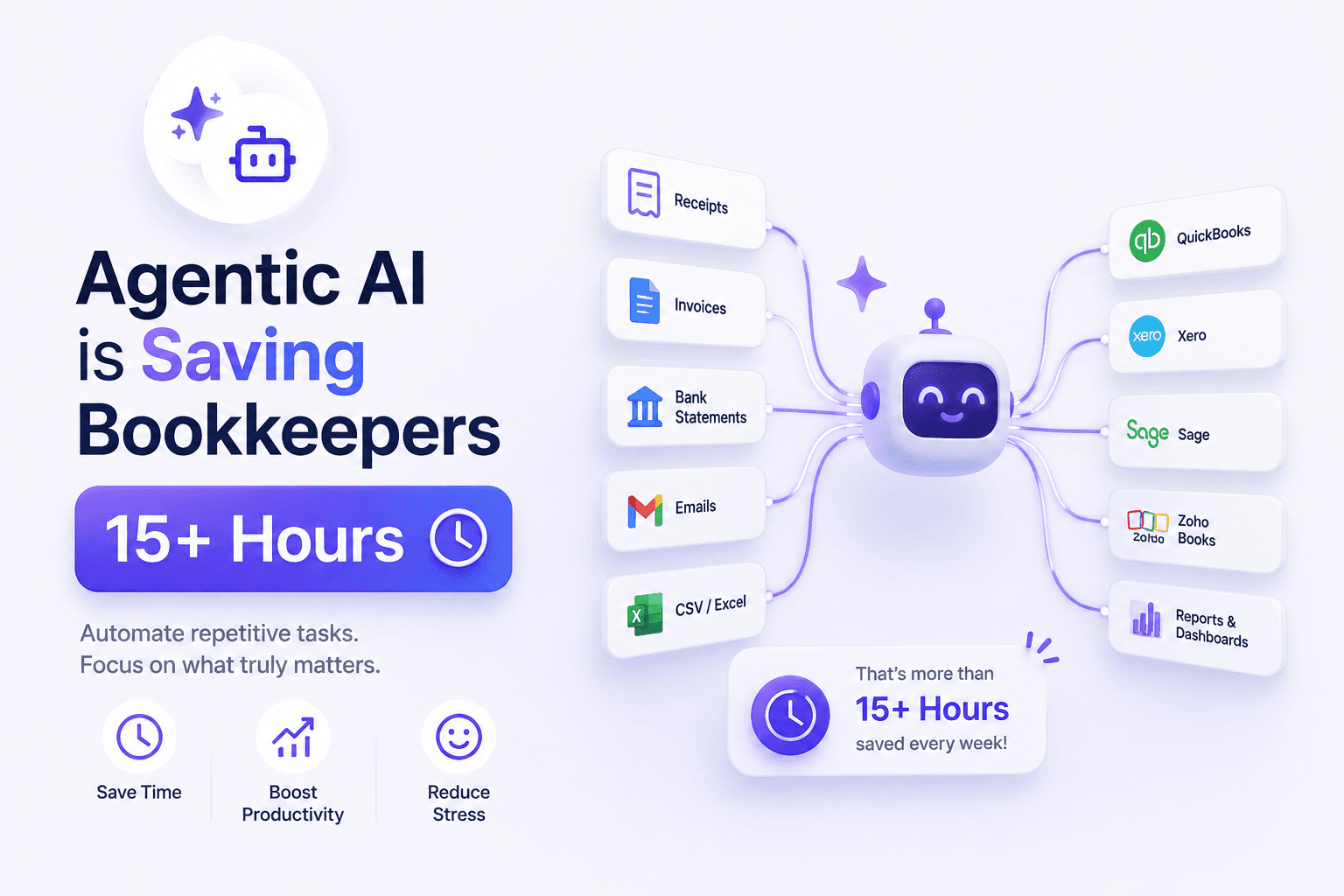
Modern businesses increasingly rely on automation to manage expenses.
Technology helps by:
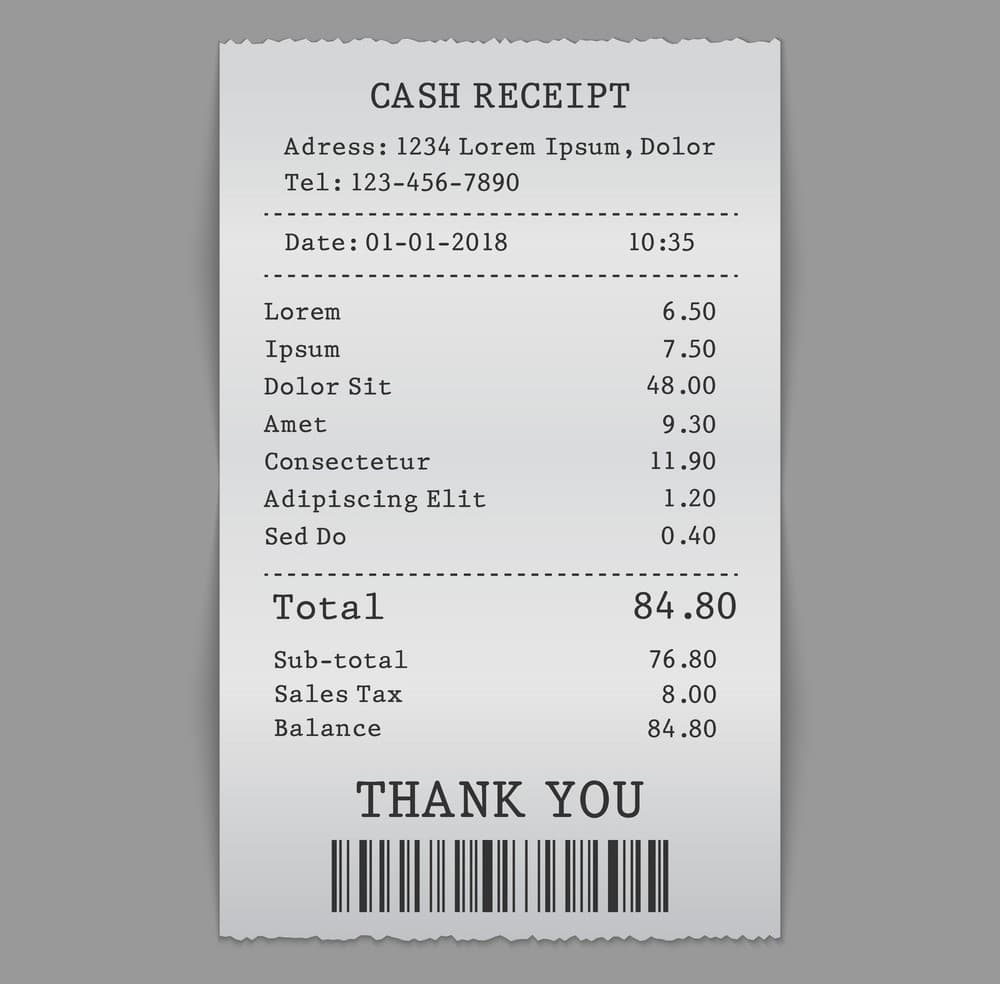
- Capturing receipts automatically
- Extracting data from invoices
- Categorizing transactions
- Matching documents to expenses
- Syncing information with accounting platforms
This reduces manual work while improving accuracy.
Modern Expense Management Workflow
A typical workflow looks like this:
Step 1: Collect Documents
Gather:
- Receipts
- Invoices
- Bills
- Statements
Step 2: Extract Data
Use OCR and document processing tools to capture:
- Vendor names
- Dates
- Amounts
- Tax details
Step 3: Categorize Expenses
Assign transactions to appropriate categories.
Step 4: Review and Approve
Managers verify spending.
Step 5: Sync to Accounting Systems
Transfer validated information into accounting software.
Streamline Expense Tracking with BillsDeck
Managing expense categories becomes significantly easier when document collection and data extraction are automated.
BillsDeck helps businesses collect receipts, invoices, and financial documents from multiple sources, automatically extract key information, organize records, and streamline document workflows.
Instead of manually entering information from receipts and invoices, teams can centralize documents, automate data capture, and improve the accuracy of expense categorization.
This reduces bookkeeping effort while providing cleaner financial data for reporting and budgeting.
How Often Should You Review Expense Categories?
Most businesses benefit from:
Monthly Reviews
Monitor spending trends and budget variances.
Quarterly Reviews
Adjust categories based on operational changes.
Annual Reviews
Prepare for tax reporting and strategic planning.
Regular reviews help ensure financial reports remain accurate and useful.
Signs Your Expense Categories Need Improvement
You may need to reorganize categories if:
- Reports are difficult to understand
- Employees frequently ask where expenses belong
- Categories overlap
- Tax preparation takes too long
- Budget comparisons are inaccurate
A well-structured expense framework should make reporting easier, not harder.
The Future of Expense Categorization
Expense management is moving toward greater automation.
Emerging trends include:
- AI-powered receipt processing
- Automated transaction categorization
- Real-time expense monitoring
- Integrated approval workflows
- Continuous financial reporting
Businesses adopting automated expense management systems often gain better visibility and faster decision-making capabilities.
Conclusion
Business expense categories form the foundation of effective financial management.
When expenses are categorized correctly, businesses gain clearer insights into spending patterns, create more accurate budgets, simplify tax preparation, and improve profitability.
Whether you're a startup building your first bookkeeping process or an established company optimizing financial operations, maintaining a structured expense categorization system is essential.
Start with clear categories, separate fixed and variable costs, review spending regularly, and leverage automation tools to reduce manual work.
The result is better financial visibility, stronger budgeting, and more informed business decisions.
Frequently Asked Questions
What are business expense categories?
Business expense categories are classifications used to organize spending into meaningful groups such as payroll, marketing, rent, software, and travel.
Why are expense categories important?
They improve budgeting, reporting, tax preparation, and financial decision-making.
What is the difference between fixed and variable expenses?
Fixed expenses remain relatively consistent each month, while variable expenses change depending on business activity.
How many expense categories should a small business have?
Most small businesses use between 15 and 50 categories depending on complexity. Categories should be detailed enough for reporting but simple enough to remain manageable.
Are software subscriptions a business expense?
Yes. Software subscriptions used for business operations are commonly categorized as technology or software expenses.
Can business meals be deducted?
Business meal deductions depend on local tax regulations and documentation requirements. Consult a tax professional for guidance.
What is the easiest way to track business expenses?
Using automated document collection and expense management software can significantly reduce manual work while improving accuracy.
How often should businesses review expenses?
Monthly reviews are recommended, with more detailed quarterly and annual reviews for budgeting and financial planning.