Direct vs Indirect Procurement: What’s the Difference?
Procurement is not a single, uniform function. Within every organization, purchasing activities fall into two major categories: direct procurement and indirect procurement. While both involve acquiring goods and services, they serve different purposes, follow different processes, and impact business outcomes in distinct ways.
Understanding how these two procurement types differ is essential for improving cost control, operational efficiency, and strategic planning.
At a high level:
- Direct procurement relates to goods and materials used in production.
- Indirect procurement relates to goods and services that support business operations.
Both are necessary, but they require different approaches, tools, and management strategies.
Table of Contents
- Direct vs Indirect Procurement: What’s the Difference?
- What Is Direct Procurement?
- Examples of Direct Procurement
- Key Characteristics of Direct Procurement
- What Is Indirect Procurement?
- Examples of Indirect Procurement
- Key Characteristics of Indirect Procurement
- Direct vs Indirect Procurement: Key Differences
- Why the Difference Matters
- Challenges in Direct Procurement
- Challenges in Indirect Procurement
- Strategies to Optimize Direct Procurement
- Strategies to Optimize Indirect Procurement
- The Role of Technology in Procurement
- How Direct and Indirect Procurement Work Together
- Final Thoughts
What Is Direct Procurement?
Direct procurement refers to the process of sourcing and acquiring raw materials, components, and goods that are directly used in the production of a company’s products.
These purchases are essential to the core operations of a business. Without direct procurement, production would stop.
For example, a manufacturing company that produces furniture will procure:
- Wood
- Nails
- Fabric
- Paint
These items are directly tied to the final product.
Examples of Direct Procurement
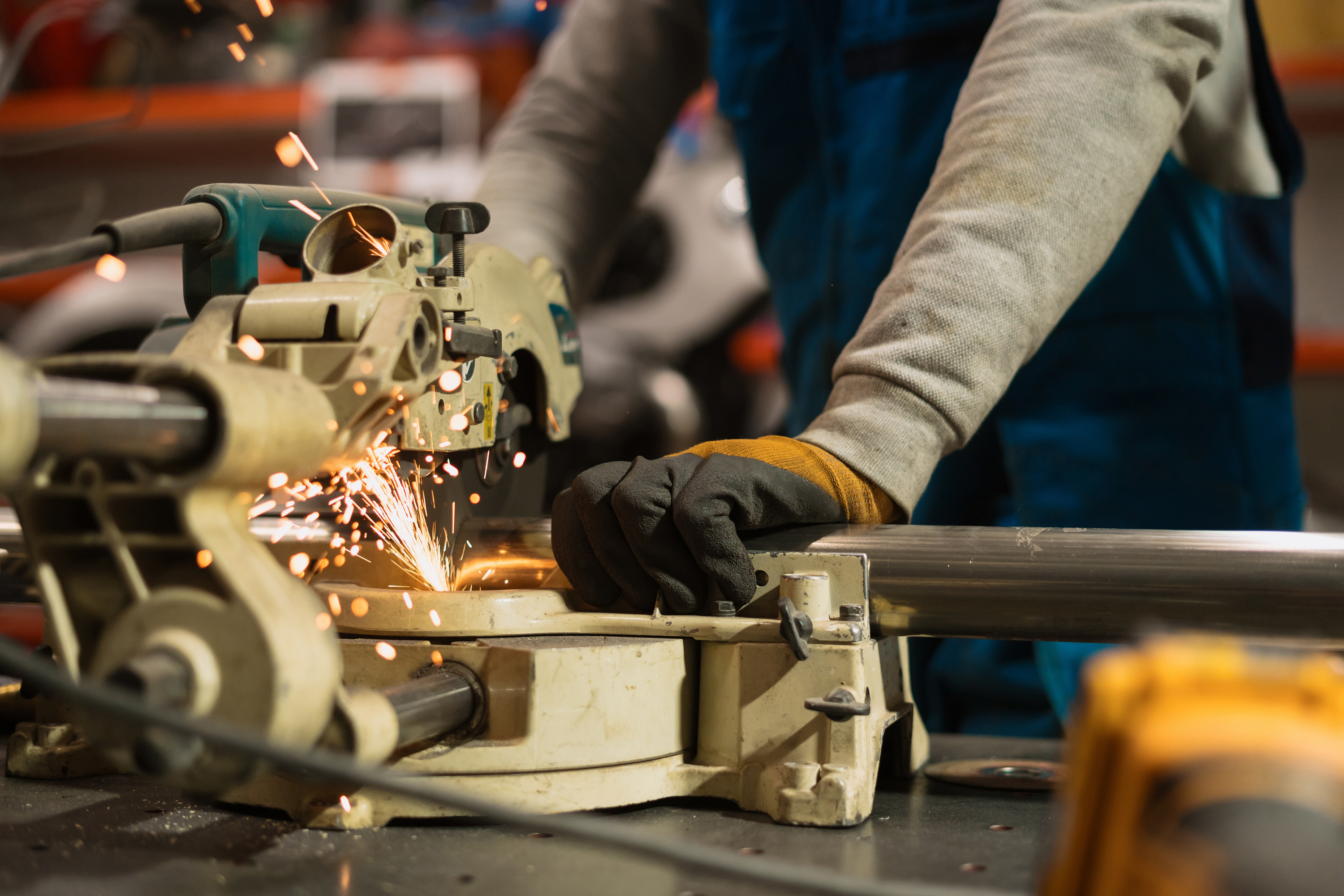
Direct procurement varies by industry:
Manufacturing
- Raw materials such as metals, plastics, and chemicals
- Components like circuit boards or mechanical parts
Retail
- Finished goods purchased from suppliers for resale
Food Industry
- Ingredients such as flour, sugar, and dairy
Technology
- Hardware components like chips and processors
These purchases directly affect product quality, cost, and availability.
Key Characteristics of Direct Procurement
Direct procurement typically has the following features:
- Production-Critical: Directly impacts the ability to manufacture products
- Forecast-Driven: Based on demand planning and production schedules
- Long-Term Supplier Relationships: Stable partnerships are essential
- High Spend Volume: Often represents the largest portion of procurement spend
- Quality-Sensitive: Directly affects the final product
Because of these characteristics, direct procurement is often highly structured and tightly controlled.
What Is Indirect Procurement?
Indirect procurement refers to the acquisition of goods and services that support day-to-day operations but are not directly used in producing goods or services.
These purchases keep the business running but do not contribute directly to the final product.
Examples of Indirect Procurement
Common examples include:
Office Supplies
- Stationery
- Printer ink
- Office furniture
Services
- IT support
- Legal services
- Marketing agencies
Utilities
- Electricity
- Internet
- Water
Employee-Related Expenses
- Travel
- Training
- Software subscriptions
While individually smaller, these purchases can add up significantly over time.
Key Characteristics of Indirect Procurement
Indirect procurement differs in several ways:
- Non-Production Related: Does not directly impact manufacturing
- Decentralized Spending: Often spread across departments
- Lower Visibility: Harder to track and control
- High Volume, Low Value Transactions
- Less Predictable Demand
Because of this, indirect procurement is often more fragmented and harder to manage.
Direct vs Indirect Procurement: Key Differences
| Aspect | Direct Procurement | Indirect Procurement |
|---|---|---|
| Purpose | Production-related | Operational support |
| Impact | Direct impact on product | Indirect impact on business |
| Spend Type | High-value, strategic | Lower-value, frequent |
| Supplier Relationships | Long-term | Short-term or transactional |
| Planning | Forecast-driven | Demand-driven |
| Risk | High (production disruption) | Moderate (operational inefficiency) |
Understanding these differences helps organizations design better procurement strategies.
Why the Difference Matters
Many organizations fail to separate direct and indirect procurement, which leads to inefficiencies.
Better Cost Control
Direct procurement focuses on reducing production costs, while indirect procurement focuses on controlling operational expenses.
Improved Visibility
Separating the two helps track spending more accurately.
Stronger Supplier Management
Different supplier strategies can be applied:
- Strategic partnerships for direct procurement
- Flexible vendor pools for indirect procurement
Enhanced Efficiency
Tailored processes reduce bottlenecks and improve workflows.
Challenges in Direct Procurement

Direct procurement comes with its own set of challenges:
Supply Chain Disruptions
Global events, delays, or shortages can halt production.
Price Volatility
Raw material prices can fluctuate significantly.
Supplier Dependence
Over-reliance on a few suppliers increases risk.
Quality Control
Defective materials directly impact final products.
Challenges in Indirect Procurement
Indirect procurement faces different issues:
Lack of Visibility
Spending is often scattered across departments.
Maverick Spending
Employees may bypass procurement processes.
Inefficient Processes
Manual approvals and lack of standardization.
Supplier Fragmentation
Too many vendors increase complexity.
Strategies to Optimize Direct Procurement

Build Strong Supplier Relationships
Long-term partnerships improve reliability and pricing.
Implement Demand Forecasting
Use data to predict future needs accurately.
Diversify Suppliers
Reduce risk by sourcing from multiple vendors.
Focus on Quality Management
Ensure consistent product standards.
Strategies to Optimize Indirect Procurement

Centralize Procurement
Consolidate purchasing activities for better control.
Use Procurement Software
Automate approvals and tracking.
Standardize Processes
Create clear policies and workflows.
Monitor Spending
Use analytics to identify savings opportunities.
The Role of Technology in Procurement
Technology plays a major role in modern procurement.
Key Tools Include:
- E-procurement platforms
- Spend analytics tools
- Supplier management systems
- Automation tools
These systems improve visibility, efficiency, and decision-making.
How Direct and Indirect Procurement Work Together
Although different, both procurement types must work together.
- Direct procurement ensures production continuity
- Indirect procurement supports operational efficiency
When aligned, they create a balanced and effective procurement strategy.
Final Thoughts
Direct and indirect procurement serve different but equally important roles in an organization.
- Direct procurement focuses on production inputs
- Indirect procurement supports business operations
Understanding the distinction allows organizations to:
- Reduce costs
- Improve efficiency
- Strengthen supplier relationships
- Build resilient operations
Businesses that manage both effectively are better positioned for long-term success.