Table of Contents
- Tax Refunds in a Nutshell
- Why Understanding Refunds Matters
- What “IRS Treas 310” on Your Bank Statement Really Means
- Common Reasons You Received IRS Treas 310
- Other Possible Meanings Beyond Tax Refunds
- Hidden Tax Refund Opportunities You Might Miss
- How to Verify If Your IRS Deposit Is Legitimate
- Common Tax Scams and How to Avoid Them
- What To Do If Your Refund Seems Incorrect
- Smart Ways to Use Your Tax Refund
- FAQs
Tax Refunds in a Nutshell
A tax refund is one of the most common financial transactions individuals receive from a government authority. It represents money returned when you have paid more taxes than required during a financial year.
Taxes are typically withheld from salaries, business income, or estimated payments. When a tax return is filed, authorities such as the IRS calculate the actual liability. If the amount paid exceeds what is owed, the difference is refunded.
According to information derived from SaaSant’s analysis of IRS payment references, refunds are commonly issued via direct deposit with identifiable transaction codes such as IRS TREAS 310 [1].

Understanding these refunds is essential because many people do not recognize transaction labels and may overlook important financial signals.
Why Understanding Refunds Matters
Understanding tax refunds is not just about knowing that money has arrived—it is about recognizing where it came from and whether it is legitimate.
Being aware of refund structures helps you:
- Identify genuine payments
- Avoid fraud and scams
- Track your finances accurately
- Improve financial planning
Tax-related fraud has increased in recent years, with attackers exploiting confusion around IRS payments. Knowing what IRS TREAS 310 means helps reduce the risk of falling victim to such schemes.
What “IRS Treas 310” on Your Bank Statement Really Means
If you notice “IRS TREAS 310” on your bank statement, it indicates a direct deposit issued by the U.S. Department of the Treasury.
Breaking it down:
- IRS refers to the Internal Revenue Service
- Treas indicates the Treasury Department
- 310 is an ACH (Automated Clearing House) code identifying the transaction
In most cases, this label represents a tax refund deposit sent electronically [1][2].
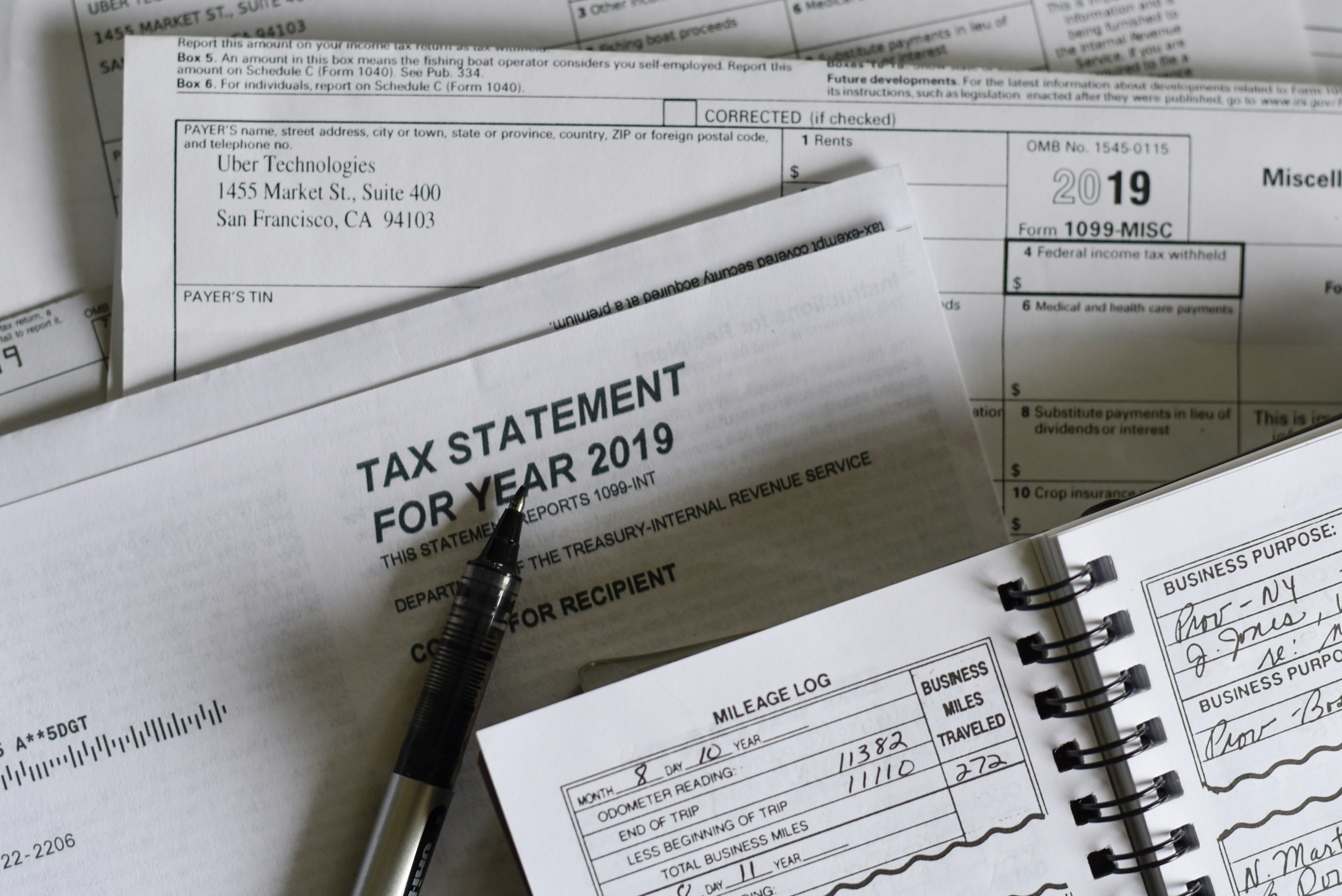
The ACH system assigns numeric identifiers like 310 to categorize payments, ensuring banks can recognize them as government-issued credits.
Common Reasons You Received IRS Treas 310
There are several reasons why this deposit may appear in your account.
1. Overpaid Taxes
If excess tax was withheld from your income, the IRS refunds the difference after processing your return.
2. Tax Credits
Credits such as:
- Earned Income Tax Credit (EITC)
- Child Tax Credit
can reduce your liability. If credits exceed taxes owed, the remaining amount is refunded.
3. Amended Returns
If you corrected a previously filed return, the IRS may issue an additional refund.
4. IRS Adjustments
Sometimes the IRS recalculates returns and determines you are owed more money.

Other Possible Meanings Beyond Tax Refunds
Although IRS TREAS 310 is usually linked to refunds, it can also represent other payments.
Child Tax Credit Payments
Labels such as:
- IRS TREAS 310 CHILDCTC
indicate child tax credit disbursements.
Stimulus Payments
Government stimulus payments were also issued under similar identifiers like:
- TAXEIP1
- TAXEIP2
- TAXEIP3 [1]
While these payments were more common in earlier years, most current IRS TREAS 310 deposits relate to refunds.
Hidden Tax Refund Opportunities You Might Miss
Many taxpayers are eligible for refunds without realizing it.
Missed Stimulus Credits
Some individuals did not claim eligible stimulus payments and can still recover them through tax filings.
Social Security Adjustments
Certain benefit recipients may overpay taxes, leading to refunds.
Government Incentives
Credits related to:
- Education
- Energy efficiency
- Childcare
can increase refund amounts.

Staying informed about tax updates can uncover additional refund opportunities.
How to Verify If Your IRS Deposit Is Legitimate
Verifying deposits is critical to ensure financial safety.
Steps to Confirm
- Compare with your filed tax return
- Check official IRS refund tracking tools
- Match the deposit amount with expected refunds
- Review IRS communications
A legitimate IRS deposit will align with your records and will not require any repayment request.
Common Tax Scams and How to Avoid Them
Tax scams continue to evolve and target individuals during filing seasons.
Common Types
- Phishing emails impersonating the IRS
- Fraudulent phone calls demanding payments
- Fake refund claims
Warning Signs
- Urgent threats or penalties
- Requests for payment via gift cards
- Unexpected refund notifications [1]

The IRS generally communicates via official mail and does not demand immediate payment through unofficial channels.
What To Do If Your Refund Seems Incorrect
If the refund amount does not match expectations, take immediate action.
Steps to Resolve
- Contact the IRS
- Review tax calculations
- Gather supporting documents
- Request clarification
Prompt action ensures faster resolution and prevents further complications.
Smart Ways to Use Your Tax Refund
A tax refund can be a valuable financial opportunity.
1. Pay Off Debt
Reducing high-interest debt improves financial stability.
2. Build Emergency Savings
Set aside funds for unexpected expenses.
3. Invest
Consider long-term financial growth options.
4. Upgrade Essentials
Invest in improvements that reduce long-term costs.

Using your refund wisely can strengthen your financial position.
FAQs
What does IRS Treas 310 mean?
It indicates a direct deposit from the U.S. Treasury, usually a tax refund.
Is it always a refund?
Mostly yes, but it can also represent tax credits or prior stimulus payments.
How can I verify it?
Compare it with your tax return or use IRS tracking tools.
What if the amount is incorrect?
Contact the IRS and review your filings.
Final Thoughts
IRS TREAS 310 TAX REF entries may seem confusing, but they usually indicate a legitimate deposit from the government. Understanding these codes helps you stay informed, avoid scams, and manage your finances effectively.
In most cases, it simply means your tax refund has been successfully processed and deposited.
Once your refund lands, reconciling it against your bank statement is easier with automated tools. Use Bank Statement extraction or the free bank statement to CSV converter to import transactions into your accounting workflow.
References
[1] Legal Clarity – IRS TREAS 310 Meaning
https://legalclarity.org/what-is-an-irs-treas-310-tax-refund/
Continue Reading
You may also find these guides helpful:
- How to Import PDF Invoices into QuickBooks
- How to Import PDF Invoices into Wave Accounting
- GST Reconciliation: A Complete Guide
- Business Expense Categories Explained
- Types of Receipts in Accounting