Introduction
Artificial Intelligence (AI) is rapidly reshaping industries, and accounting is no exception. From automating repetitive tasks to enabling smarter financial decisions, AI in accounting is transforming how businesses manage their finances.
With increasing demand for speed, accuracy, and insights, AI-powered accounting tools are becoming essential rather than optional.
What is AI in Accounting?
AI in accounting refers to the use of machine learning, automation, and data analytics to perform accounting tasks with minimal human intervention.
It enables systems to:
- Learn from financial data
- Identify patterns
- Automate workflows
- Provide predictive insights
How AI is Used in Accounting
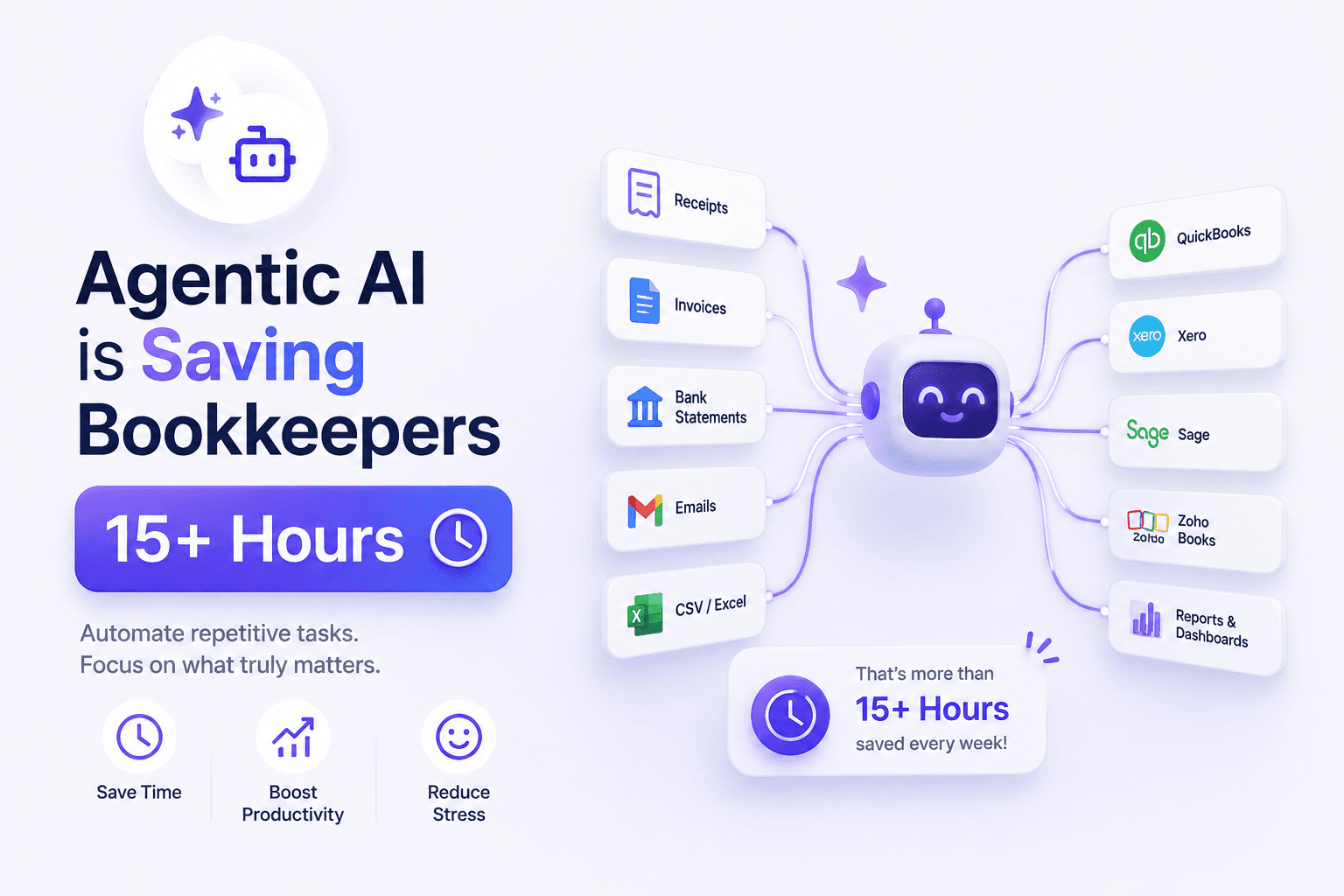
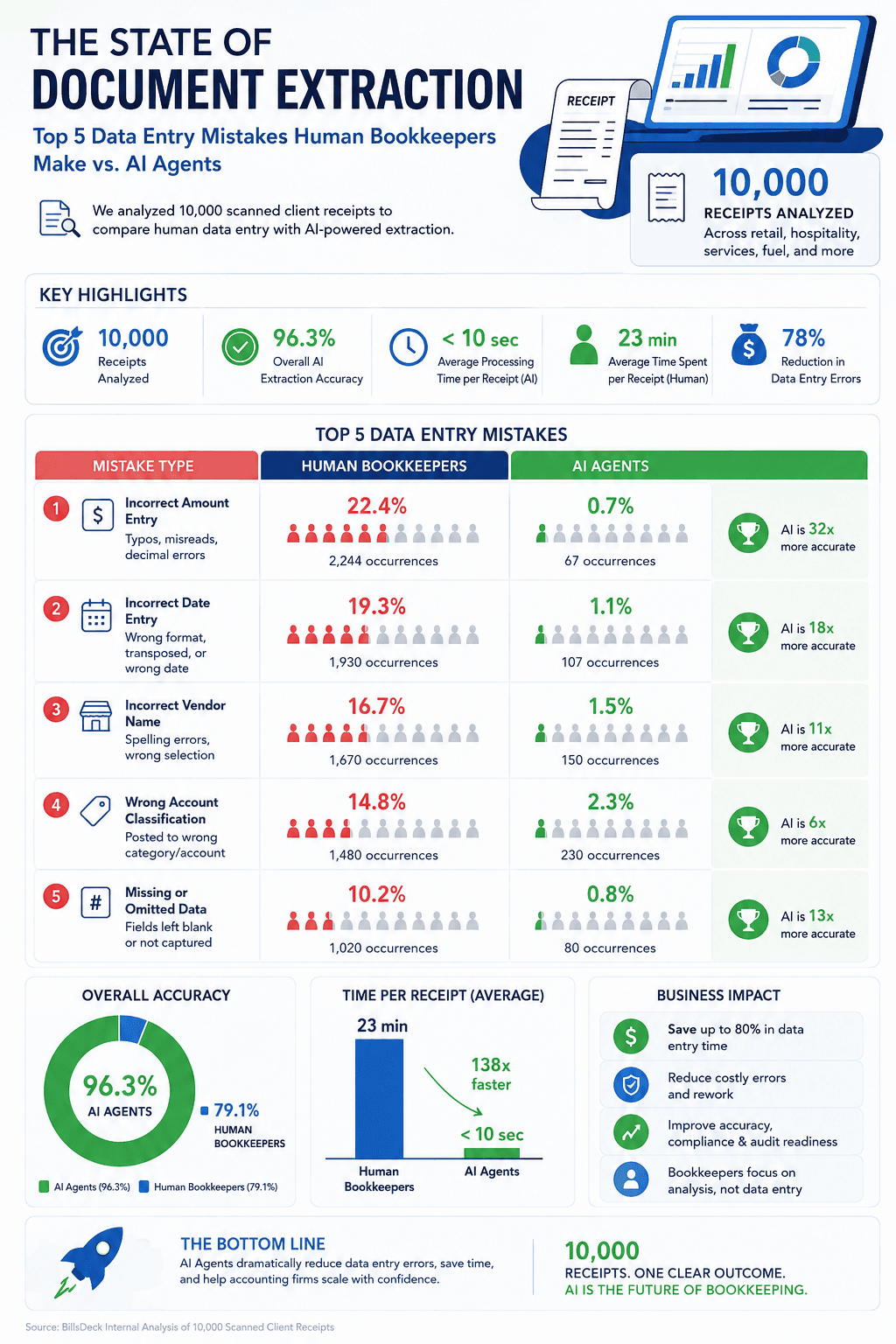
1. Data Entry Automation
Manual data entry is one of the most time-consuming tasks in accounting. AI eliminates this by:
- Extracting data from invoices and receipts
- Auto-categorizing transactions
- Reducing human errors
2. Reconciliation
AI can automatically match transactions between bank statements and accounting records:
- Detect missing entries
- Suggest corrections
- Highlight discrepancies instantly
3. Fraud Detection
AI systems analyze patterns and flag unusual transactions:
- Detect anomalies in real-time
- Prevent financial fraud
- Improve compliance
4. Forecasting
AI uses historical data to predict future financial trends:
- Revenue projections
- Expense forecasting
- Cash flow analysis
Benefits of AI in Accounting
- Faster processing of financial data
- Higher accuracy with reduced errors
- Cost savings through automation
- Better financial insights
- Real-time monitoring and reporting
Real-World Examples
Businesses worldwide are adopting AI accounting tools to streamline operations:
- Automated bookkeeping systems
- AI-powered reconciliation platforms
- Smart financial dashboards
AI vs Traditional Accounting
| Feature | Traditional Accounting | AI Accounting |
|---|---|---|
| Data Entry | Manual | Automated |
| Accuracy | Moderate | High |
| Speed | Slow | Real-time |
| Insights | Limited | Predictive |
Challenges & Limitations
Despite its advantages, AI in accounting comes with challenges:
- Initial setup cost
- Data privacy concerns
- Dependence on quality data
- Need for skilled professionals
Future of AI in Accounting
The future of accounting is AI-driven:
- Fully automated bookkeeping
- Real-time tax optimization
- AI financial advisors
- Continuous auditing
AI will not replace accountants but will empower them to focus on strategic decision-making.
FAQs
Is AI safe for accounting?
Yes, modern AI systems use advanced encryption and compliance standards.
Can AI handle all accounting tasks?
No, it complements human expertise rather than replacing it entirely.
Is AI accounting expensive?
Costs vary, but ROI is typically high due to time and efficiency gains.
Conclusion
AI in accounting is no longer the future — it's the present. Businesses adopting AI gain a competitive advantage through efficiency, accuracy, and insights.
If you're looking to simplify your accounting workflow, consider using AI-powered accounting automation to eliminate manual work and scale faster.