Introduction
Managing finances is one of the biggest challenges for small businesses. Limited resources, time constraints, and manual processes often lead to errors and inefficiencies.
AI accounting solves these problems by automating financial workflows.
Accounting Challenges for Small Businesses
- Manual bookkeeping errors
- Time-consuming reconciliation
- Lack of financial insights
- Cash flow mismanagement
- Difficulty in scaling operations
How AI Solves These Problems
AI simplifies accounting by:
- Automating transaction categorization
- Matching bank transactions automatically
- Providing real-time financial insights
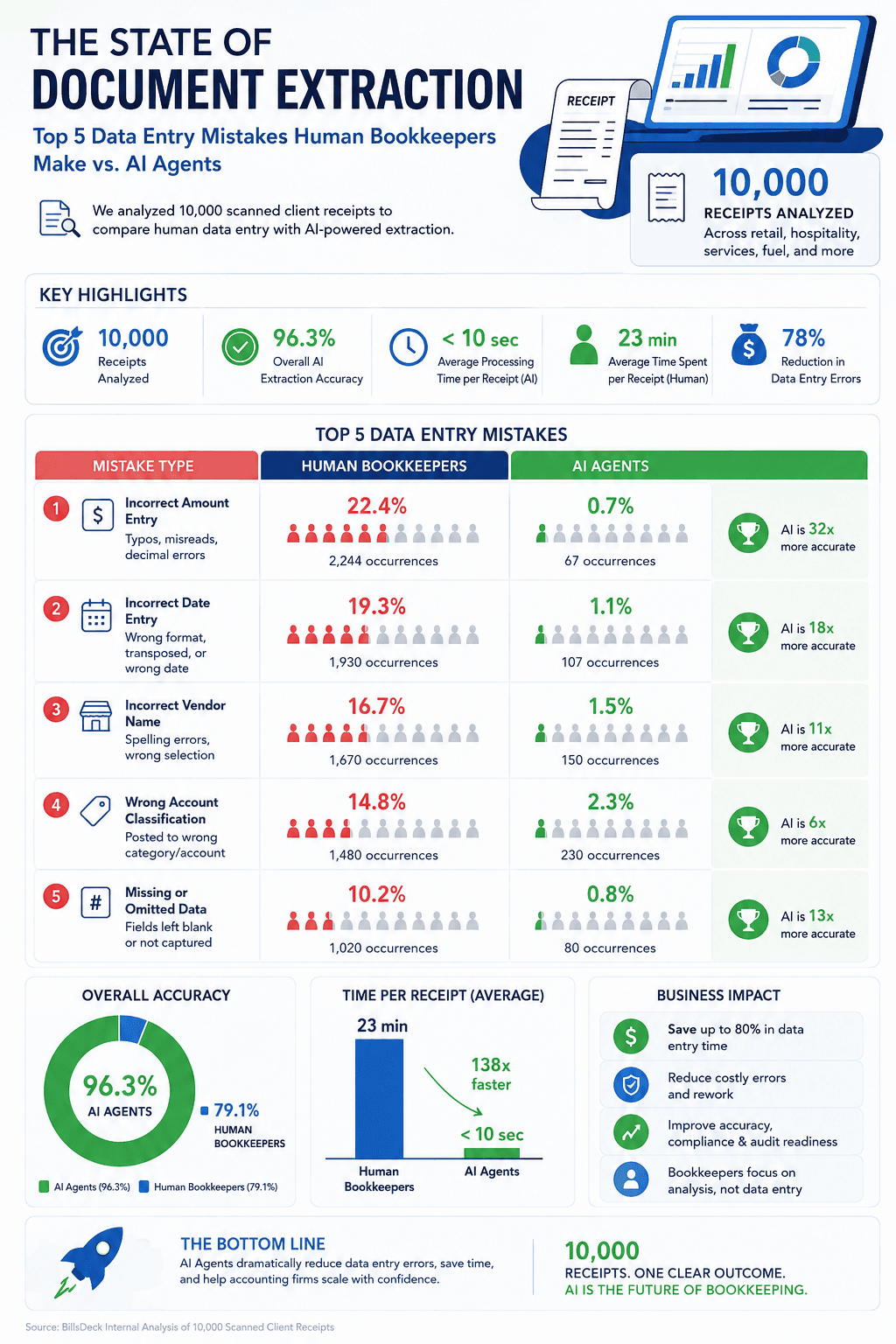
- Reducing human errors
Key Features to Look For
When choosing AI accounting software, look for:
- Automated reconciliation
- Smart categorization
- Real-time reporting
- Integration with banks and payment platforms
- Fraud detection
Use Cases
1. Automated Bookkeeping
AI records and categorizes transactions instantly.
2. Smart Reconciliation
Matches bank transactions with records automatically.
3. Financial Insights
Provides dashboards and reports for better decisions.
4. Expense Tracking
Tracks and categorizes expenses in real-time.
Cost vs ROI
While AI tools may have a subscription cost, the ROI is significant:
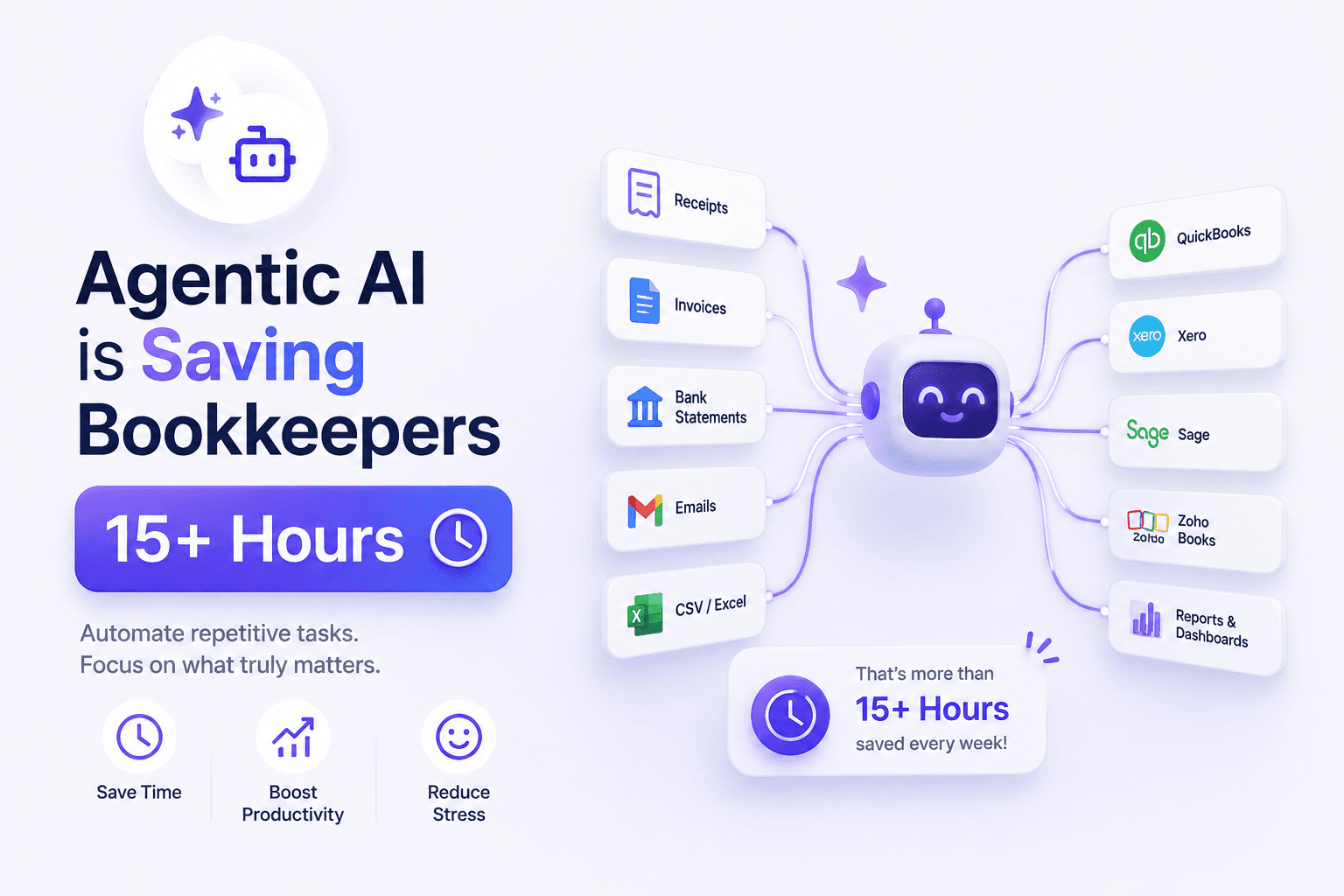
- Saves hours of manual work
- Reduces accounting costs
- Improves financial accuracy
- Enables better decision-making
Getting Started
- Choose an AI accounting tool
- Connect bank accounts and payment systems
- Import existing financial data
- Review automated entries
- Monitor and optimize
FAQs
Is AI accounting suitable for small businesses?
Yes, it is especially beneficial due to limited resources.
Do I need accounting knowledge?
Basic understanding helps, but AI simplifies most processes.
Is it secure?
Most platforms use bank-level security.
Conclusion
AI accounting is a game-changer for small businesses. It saves time, reduces errors, and provides valuable insights.
Start using AI-powered accounting automation to streamline your finances and focus on growing your business.