Introduction
Many beginners and small business owners often confuse accounting and bookkeeping. While both deal with financial data, they serve different purposes in managing a business.
Simply put:
- Bookkeeping = Recording transactions
- Accounting = Analyzing and interpreting data
Understanding this difference helps you make better financial decisions and choose the right tools or services.
What is Accounting?
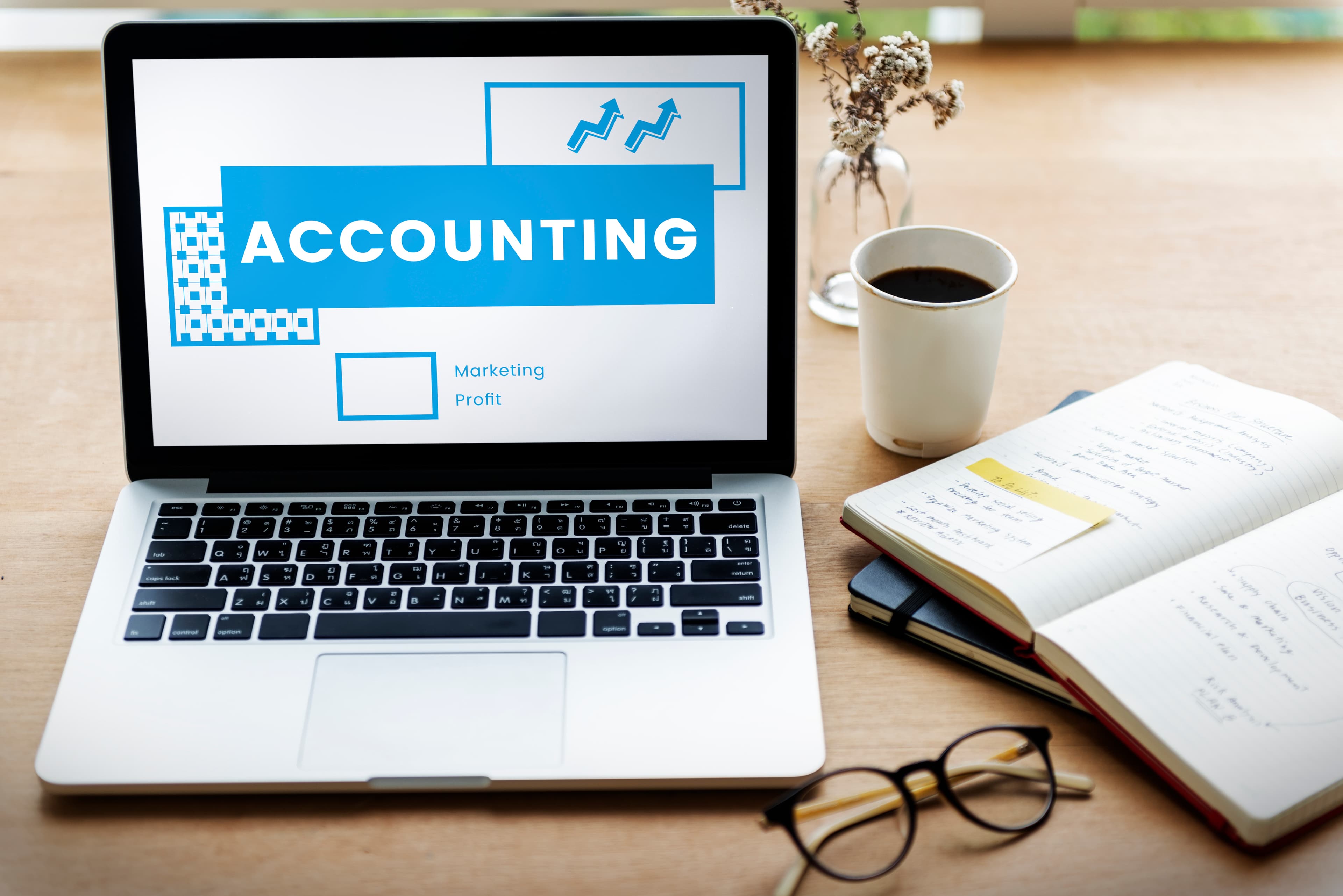
Accounting is the process of analyzing, summarizing, and interpreting financial data to understand a business’s financial health.
It involves:
- Preparing financial statements
- Analyzing profits and losses
- Tax planning and compliance
- Financial forecasting
Accounting gives a big-picture view and helps in decision-making. ([Intuit][1])
What is Bookkeeping?
Bookkeeping is the process of recording daily financial transactions like:
- Sales and purchases
- Payments and receipts
- Invoices and expenses
It ensures all financial data is accurate and organized, forming the foundation for accounting. ([Microsoft][2])
Key Differences (Table)
| Basis | Bookkeeping | Accounting |
|---|---|---|
| Meaning | Recording financial transactions | Analyzing and interpreting data |
| Scope | Limited | Broad |
| Purpose | Maintain records | Decision making |
| Skill Level | Basic | Advanced |
| Output | Books of accounts | Financial reports |
| Nature | Administrative | Analytical |
Bookkeeping is the foundation, while accounting builds on it. ([cleartax][3])
Roles & Responsibilities
Bookkeeper
- Records transactions
- Maintains ledgers
- Manages invoices and payments
- Reconciles bank statements
Accountant
- Prepares financial statements
- Handles taxes
- Provides financial insights
- Ensures compliance
Accountants use bookkeeping data to generate insights and strategies. ([Forbes][4])
Tools Used
Bookkeeping Tools
- Excel / Google Sheets
- QuickBooks
- Zoho Books
Accounting Tools
- Financial reporting software
- Tax filing tools
- ERP systems
Which One Does Your Business Need?
- Small business / startup → Bookkeeping is enough initially
- Growing business → Needs both bookkeeping + accounting
- Large business → Dedicated accountant + automation tools
Most businesses use bookkeeping daily and accounting periodically.
Manual vs Automated Approach
Manual
- Time-consuming
- Prone to errors
- Difficult to scale
Automated (Recommended)
- Faster data entry
- Real-time insights
- Fewer errors
With tools like BillsDeck, you can:
- Import bank statements
- Auto-categorize transactions
- Generate reports instantly
FAQs
Is bookkeeping part of accounting?
Yes, bookkeeping is a subset of accounting.
Can a bookkeeper do accounting?
Basic tasks, yes—but advanced analysis requires an accountant.
Which is more important?
Both are equally important and work together.
Do small businesses need both?
Yes, especially as they grow.
Conclusion
Bookkeeping and accounting are not the same—but they are closely connected.
- Bookkeeping keeps your data clean
- Accounting turns that data into insights
- If you want to scale your business, you need both.
CTA
Automate both bookkeeping and accounting in one place with BillsDeck. Save time, reduce errors, and get real-time financial insights.